
Ultimate Storm Restoration Gear For Effective Property Recovery
Equip yourself with essential gear that enhances safety, speed, and quality during storm damage restoration projects.
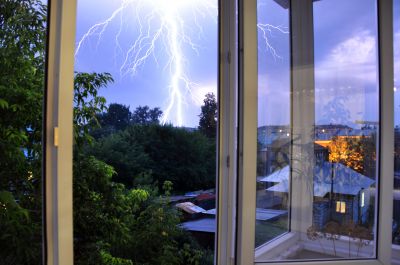 Storm restoration products are essential tools and materials used to repair and reinforce structures affected by severe weather events. These products help mitigate damage from wind, rain, hail, and flooding, ensuring that properties can be restored efficiently and effectively. In regions like Mount Juliet, Tennessee, where storms can vary from thunderstorms to more intense weather, having the right storm restoration supplies is vital for contractors, property owners, and emergency responders.
Top Overall Option
Heavy-Duty Weather-Resistant Tarp
A heavy-duty weather-resistant tarp is a versatile and durable option for covering damaged roofs, windows, or other vulnerable structures. Made from high-quality materials, it provides temporary protection against rain, wind, and debris, helping to prevent further damage during the restoration process.
Types of Products For Storm Restorations
Heavy-Duty Tarps
Durable tarps designed to withstand harsh weather and provide temporary coverage for damaged areas.
Sealants and Caulks
Specialized sealants for sealing leaks around windows, doors, and roof penetrations.
Roofing Nails and Fasteners
Strong nails and fasteners suitable for securing roofing materials and repairs.
Power Drills and Screwdrivers
Electric tools essential for quick installation and repair of storm-damaged structures.
Safety Gear
Gloves, goggles, respirators, and helmets to ensure safety during restoration work.
Flood Barriers and Sandbags
Materials used to divert or block floodwaters and protect properties from water damage.
Waterproof Paints and Coatings
Protective coatings that add an extra layer of water resistance to surfaces.
Gutter and Drainage Repair Kits
Tools and materials for fixing or replacing damaged gutters and drainage systems.
Structural Reinforcement Kits
Components used to strengthen compromised walls, beams, or supports.
Flood Pumps and Sump Pumps
Equipment for removing water from flooded areas and basements.
Insulation and Weatherproofing Materials
Products to restore thermal integrity and prevent drafts or water intrusion.
Debris Removal Tools
Shovels, rakes, and debris bags for clearing storm debris efficiently.
Electrical Repair Kits
Tools and supplies for restoring electrical systems damaged by storms.
Window and Door Repair Kits
Sets designed for quick fixes to broken or damaged windows and doors.
Plywood Sheets
Used to temporarily cover broken windows or damaged walls.
Moisture Meters
Devices to detect hidden water damage and monitor drying progress.
Roofing Underlayment
Protective layers installed beneath roofing materials to add water resistance.
Drainage Grates and Covers
Components to improve water runoff and prevent flooding.
Popular Choices
Widely used for temporary protection of damaged roofs and structures.
Commonly used for sealing leaks around windows and roofing penetrations.
Popular for diverting floodwaters and safeguarding properties.
Essential for quick and efficient repairs in storm-affected areas.
Trusted for ensuring safety during storm restoration projects.
Frequently chosen for fixing or replacing damaged gutter systems.
Commonly applied to surfaces for added water resistance.
Popular for removing water from flooded basements and low-lying areas.
Often used for quick boarding up of broken windows or damaged walls.
Regularly employed to detect hidden water damage.
Frequently used for clearing storm debris efficiently.
Commonly selected for securing roofing materials during repairs.
Popular for restoring thermal protection after storm damage.
Often chosen for quick electrical system restoration.
Used frequently to improve drainage and prevent flooding.
Applied to surfaces to enhance water resistance.
Selected for stabilizing compromised structural elements.
Commonly used to seal cracks and joints after storm damage.
A comprehensive storm restoration kit often includes a variety of tools and materials designed to address different types of damage. Heavy-duty tarps serve as temporary covers for damaged roofs or windows, preventing further water intrusion. Sealants and adhesives are used to patch leaks and reinforce vulnerable areas. Power tools such as saws and drills facilitate quick repairs, while safety gear like gloves, goggles, and respirators protect workers during the restoration process.
Durability and ease of use are key factors when selecting storm restoration products. Weather-resistant materials ensure longevity and performance under harsh conditions. Additionally, products that are versatile and compatible with a range of repair scenarios can save time and reduce the need for multiple specialized items. Proper storage solutions also help keep these supplies organized and accessible during emergency situations.
Whether dealing with minor repairs or extensive damage, having access to a wide array of storm restoration products can make a significant difference in recovery efforts. Being prepared with quality supplies allows for faster response times and more effective restoration, ultimately helping property owners and communities recover more smoothly after severe weather events.
Key Buying Considerations
- Assess the severity and type of storm damage to determine the necessary products.
- Choose durable materials that can withstand harsh weather conditions.
- Ensure compatibility of repair products with existing structures and materials.
- Prioritize safety gear to protect workers during restoration activities.
- Consider ease of use and installation, especially for quick response scenarios.
- Evaluate the size and coverage area of products like tarps and barriers.
- Check for weather resistance and UV protection to ensure longevity.
- Opt for versatile products that can address multiple repair needs.
- Review manufacturer instructions and warranty details for reliability.
- Factor in storage and transportation needs for emergency preparedness.
- Select environmentally suitable products if applicable, ensuring safety and compliance.
- Determine budget constraints while balancing quality and durability.
- Look for products with good reviews and proven performance in storm restoration.
- Consider local availability and shipping options for timely response.
- Evaluate the need for professional installation versus DIY suitability.