
Optimal Timing for Storm Restorations
Understanding the optimal time for storm restorations is essential for ensuring property resilience and minimizing damage. The best time to undertake storm restorations typically aligns with periods of increased weather activity, such as late summer and early fall, when storms are most frequent. Planning ahead during these times can help address vulnerabilities before severe weather strikes.
Storm restorations are often most effective when performed before the storm season peaks, allowing structures to withstand high winds and heavy rain.
Monitoring local weather forecasts can help determine the best window for restorations, especially during seasons with predictable storm activity.
Performing restorations during dry seasons reduces delays caused by weather disruptions and ensures quality work.
Scheduling restorations after storm damage assessments can streamline insurance claims and expedite repairs.

Evaluating damage promptly after storms ensures timely restoration efforts.

Strengthening structures before storm seasons can reduce damage.
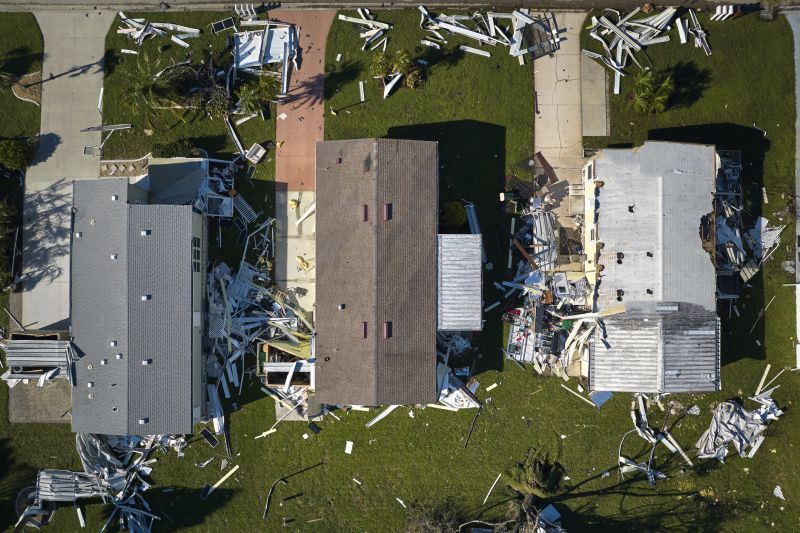
Restoring properties after storms minimizes long-term impacts.
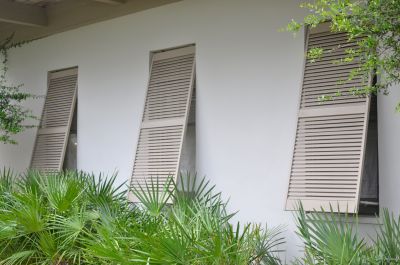
Ways to make Storm Restorations work in tight or awkward layouts.

Popular materials for Storm Restorations and why they hold up over time.
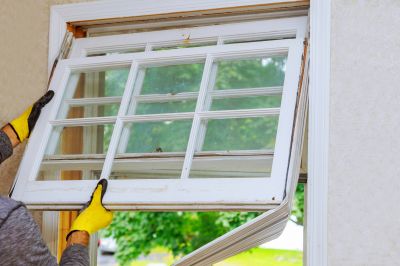
Simple add-ons that improve Storm Restorations without blowing the budget.
| Aspect | Details |
|---|---|
| Peak Storm Season | Late summer to early fall |
| Dry Weather Preference | Spring and early summer |
| Insurance Claims | Post-storm assessment period |
| Property Preparation | Before storm season peaks |
| Regional Climate | Varies by geographic location |
| Emergency Readiness | Before severe weather events |
| Maintenance Schedule | Off-peak seasons for repairs |
Storm restorations are crucial for maintaining the integrity of structures and protecting property assets. Proper timing ensures that repairs are effective and durable, reducing the likelihood of repeated damage. Weather conditions, regional climate, and storm activity patterns all influence the ideal window for undertaking restoration projects.
Statistics indicate that performing storm restorations during favorable weather conditions can reduce repair costs by up to 30%. Additionally, early interventions can prevent secondary damages such as mold growth and structural deterioration. Planning restorations during optimal periods enhances the effectiveness and longevity of repairs.
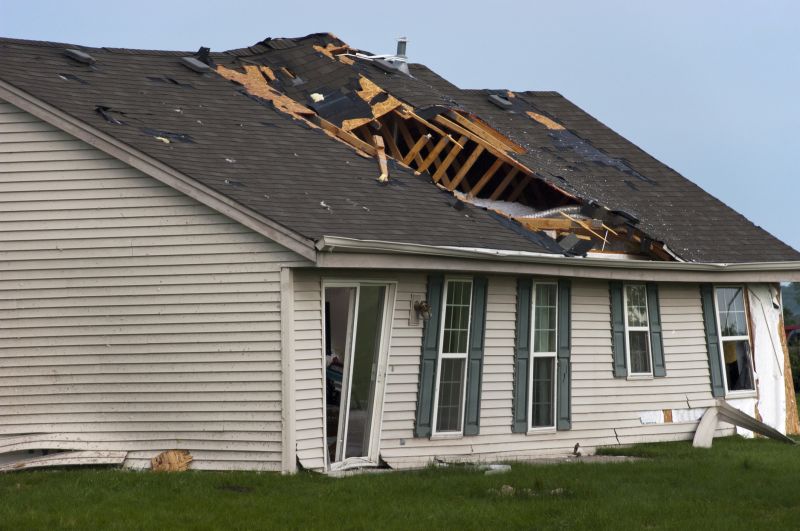
Restoring roofs and siding after storms.

Enhancing building resilience.
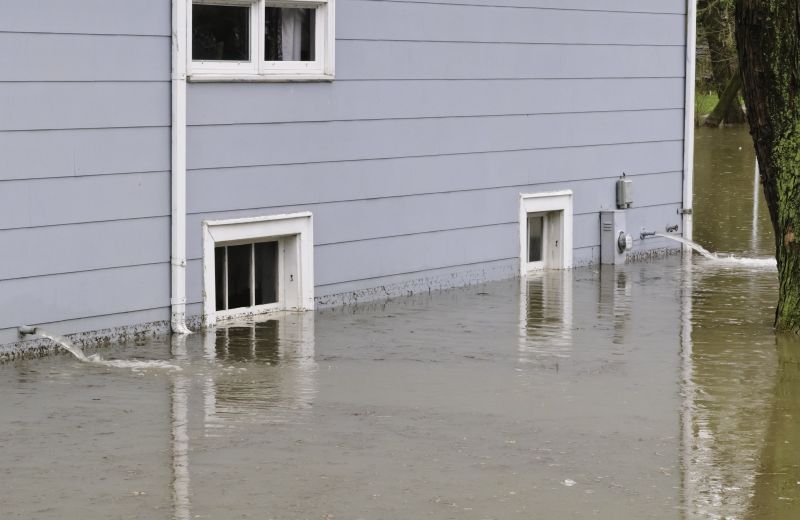
Addressing flooding impacts.
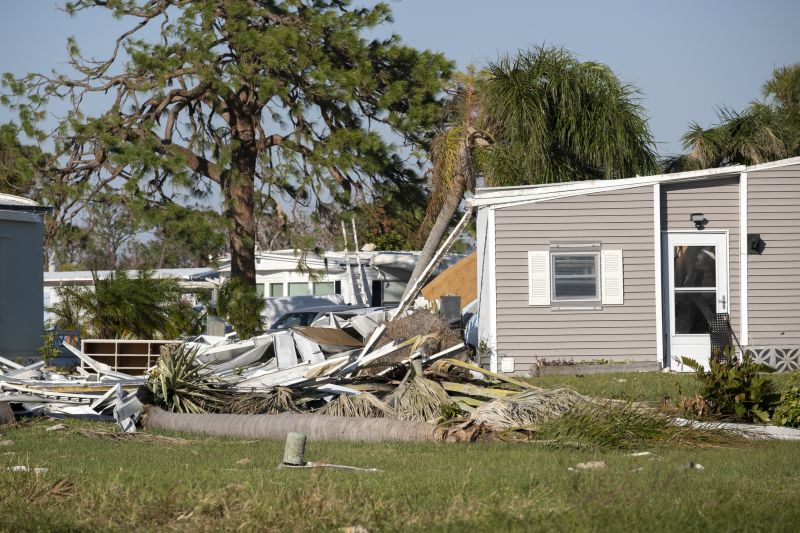
Rapid repairs post-storm.
Individuals interested in storm restorations are encouraged to contact for more information. Proper timing and preparation can significantly improve the resilience of properties against future storms. Early planning and assessment are key components of effective storm restoration strategies.